



What is Hypertension?
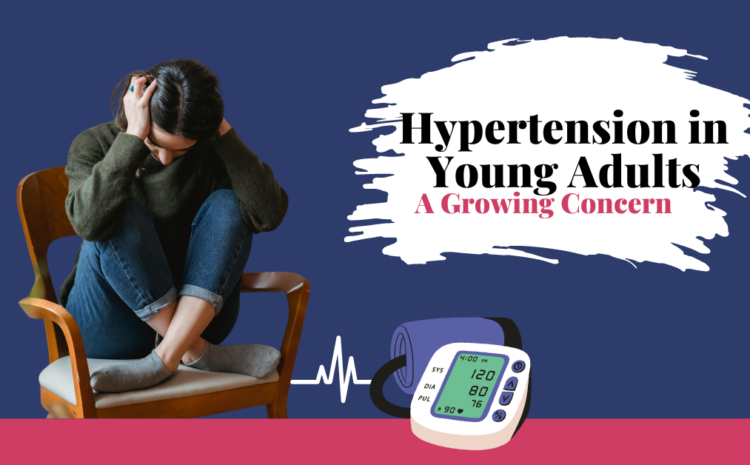
Blood pressure is the force exerted by blood against the walls of the arteries. It is measured in millimeters of mercury (mmHg) and recorded as two numbers: systolic pressure (the pressure when the heart beats) over diastolic pressure (the pressure when the heart is at rest). A normal blood pressure reading is typically around 120/80 mmHg. Hypertension is diagnosed when blood pressure readings consistently exceed 130/80 mmHg.
Causes of Hypertension in Young Adults
Several factors contribute to the development of hypertension in young adults, including:
-
- Lifestyle Choices:
-
- Diet: High intake of salt, processed foods, and sugary beverages
-
- Physical Inactivity: Sedentary lifestyle and lack of regular exercise
-
- Obesity: Excess body weight increases the strain on the heart
-
- Alcohol and Tobacco Use: Both substances can raise blood pressure
-
- Lifestyle Choices:
-
- Genetics: A family history of hypertension increases the risk
-
- Stress: Chronic stress can contribute to elevated blood pressure levels
-
- Medical Conditions: Conditions such as diabetes and kidney disease can also lead to hypertension
Related Health Issues
Hypertension in young adults often does not occur in isolation. It can be associated with other health issues, including:
-
- Cardiovascular Disease: High blood pressure is a major risk factor for heart disease, heart attacks, and strokes.
-
- Metabolic Syndrome: This cluster of conditions includes high blood pressure, high blood sugar, excess body fat around the waist, and abnormal cholesterol levels, increasing the risk of heart disease, stroke, and diabetes.
-
- Kidney Disease: Chronic hypertension can damage the blood vessels in the kidneys, leading to kidney disease or failure.
-
- Eye Problems: High blood pressure can cause damage to the blood vessels in the eyes, leading to vision problems or even blindness.
-
- Cognitive Decline: There is evidence to suggest that hypertension can contribute to cognitive decline and increase the risk of developing dementia later in life.
Prevention and Management
Preventing and managing hypertension in young adults involves a combination of lifestyle changes and, in some cases, medication. Here are some strategies:
Healthy Diet: Emphasise fruits, vegetables, whole grains, lean proteins, and low-fat dairy products. Limit salt, sugar, and unhealthy fats.
Regular Exercise: Aim for at least 150 minutes of moderate-intensity exercise or 75 minutes of vigorous-intensity exercise per week.
Maintain a Healthy Weight: Achieve and maintain a healthy body weight through diet and exercise.
Limit Alcohol and Avoid Tobacco: Reduce alcohol intake and quit smoking.
Manage Stress: Practise stress-reducing techniques such as mindfulness, meditation, and yoga.
Regular Health Screenings: Monitor blood pressure regularly and seek medical advice if readings are consistently high.
Medication: In some cases, medication may be necessary to control blood pressure. Always follow a healthcare provider’s guidance.
Hypertension in young adults is a serious health issue that requires attention and proactive management. By adopting a healthy lifestyle and staying vigilant about blood pressure levels, young adults can reduce their risk of developing related health problems and enjoy a healthier future. Regular check-ups and open communication with healthcare providers are key to managing hypertension effectively
