



Sleep is essential for maintaining overall health and well-being. Despite its importance, many people do not get enough sleep due to busy schedules, stress, or lifestyle choices. Chronic sleep deprivation can have severe consequences on physical, mental, and emotional health. Understanding what happens when you don’t sleep enough can motivate you to prioritize rest and change your routine.
Physical Health Impacts
Weakened Immune System: Lack of sleep impairs the body’s ability to fight off infections, making you more susceptible to illnesses like colds and the flu.
Weight Gain: Sleep deprivation disrupts the balance of hormones that control hunger, leading to increased appetite and cravings for high-calorie foods, which can result in weight gain.
Cardiovascular Issues: Insufficient sleep is linked to a higher risk of heart disease, high blood pressure, and stroke. Sleep helps regulate stress hormones and inflammation, both of which play a crucial role in heart health.
Diabetes Risk: Poor sleep affects how the body processes glucose, increasing the risk of developing type 2 diabetes. It can also worsen symptoms in those already diagnosed with diabetes.
Decreased Physical Performance: Sleep is essential for muscle recovery and energy restoration. Lack of sleep can decrease strength, endurance, and coordination, affecting athletic performance and increasing the risk of injuries.
Mental and Cognitive Effects
Impaired Memory and Learning: Sleep plays a critical role in consolidating memories and processing information. Sleep deprivation can lead to difficulties in learning new information and retaining memories.
Reduced Attention and Concentration: Lack of sleep affects cognitive functions such as attention, alertness, and concentration, making it challenging to focus on tasks and increasing the likelihood of mistakes.3. Slower Reaction Times: Sleep deprivation slows down reaction times, which can be particularly dangerous in activities that require quick responses, such as driving, responding to the queries, picking up the things etc.
Decision-Making Difficulties: Insufficient sleep impairs judgment and decision-making abilities, making it harder to think clearly and make rational choices.
- Adults, 65+ years: 7 to 8 hours
- Adults, 26 to 64 years: 7 to 9 hours
- Young adults (18 to 25 years): 7 to 9 hours
- Teenagers (14 to 17 years): 8 to 10 hours
- School-age children (6 to 13 years): 9 to 11 hours
- Preschool children (3 to 5 years): 10 to 13 hours
- Toddlers (1 to 2 years): 11 to 14 hours
- Infants (4 to 11 months): 12 to 15 hours
- Newborns (0 to 3 months): 14 to 17 hours
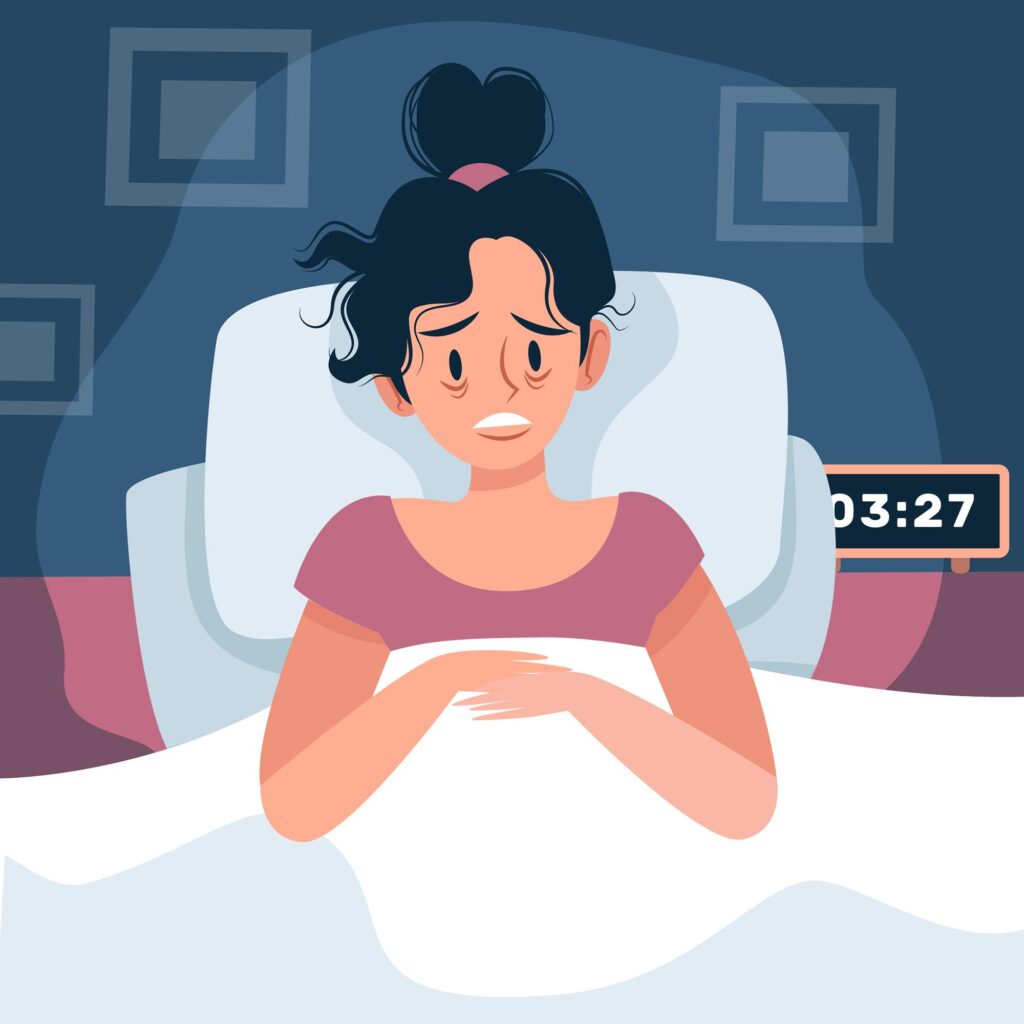
Emotional and Psychological Consequences
Mood Swings: Sleep deprivation can lead to increased irritability, mood swings, and emotional instability. It can also exacerbate symptoms of mental health conditions such as anxiety and depression.
Stress and Anxiety: Lack of sleep increases the production of stress hormones, leading to higher stress levels and contributing to anxiety disorders.
Decreased Motivation: Chronic sleep deprivation can result in a lack of motivation and enthusiasm, making it difficult to engage in daily activities and pursue goals.
Social Interactions: Sleep-deprived individuals may find it harder to manage their emotions, leading to strained relationships and social conflicts.
Long-Term Health Risks
Chronic Health Conditions: Prolonged sleep deprivation is associated with an increased risk of developing chronic conditions such as obesity, diabetes, cardiovascular diseases, and certain cancers.
Reduced Life Expectancy: Persistent lack of sleep can shorten life expectancy due to its cumulative negative effects on health and well-being.
Tips for Improving Sleep
✔︎ Establish a Routine: Go to bed and wake up at the same time every day, even on weekends, to regulate your body’s internal clock.
✔︎ Create a Sleep-Friendly Environment: Ensure your bedroom is dark, quiet, and cool. Invest in a comfortable mattress and pillows.
✔︎ Limit Screen Time: Avoid screens (phones, tablets, computers, TVs) at least an hour before bed, as the blue light emitted can interfere with the production of melatonin, the sleep hormone.
✔︎ Avoid Stimulants: Reduce consumption of caffeine and nicotine, especially in the evening, as they can disrupt sleep.
✔︎ Practice Relaxation Techniques: Engage in calming activities before bed, such as reading, meditating, or taking a warm bath, to prepare your body for sleep.
✔︎ Stay Active: Regular physical activity can promote better sleep, but try to avoid vigorous exercise close to bedtime.
Getting enough sleep is crucial for maintaining physical health, mental clarity, and emotional stability.
Understanding the consequences of sleep deprivation can encourage you to prioritise rest and make necessary lifestyle changes to ensure you get the restorative sleep your body needs. By adopting healthy sleep habits, you can improve your overall quality of life and reduce the risk of developing serious health issues.
